
Summary:
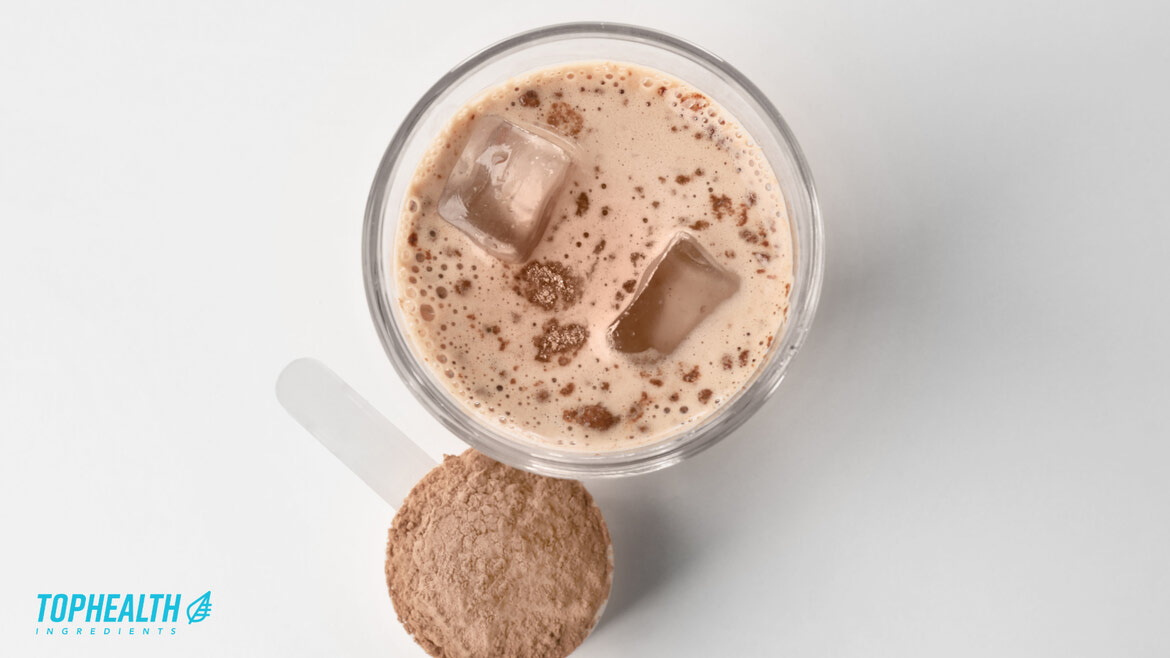
- Yeast protein can help brands replace or extend whey in dairy-free, plant-based, and hybrid protein formulations.
- A direct 1:1 substitution should not be assumed because yeast and whey differ in solubility, flavor, texture, and functionality.
- Yeast protein is especially relevant for high-protein beverages, powders, bars, snacks, meal replacements, baked goods, and clear protein applications.
- Formulators may need to optimize hydration, flavor masking, stabilizers, processing conditions, and finished-product texture.
- Top Health Ingredients offers both yeast protein isolate and yeast protein peptide options for different formulation needs.
Why Brands Are Looking Beyond Whey
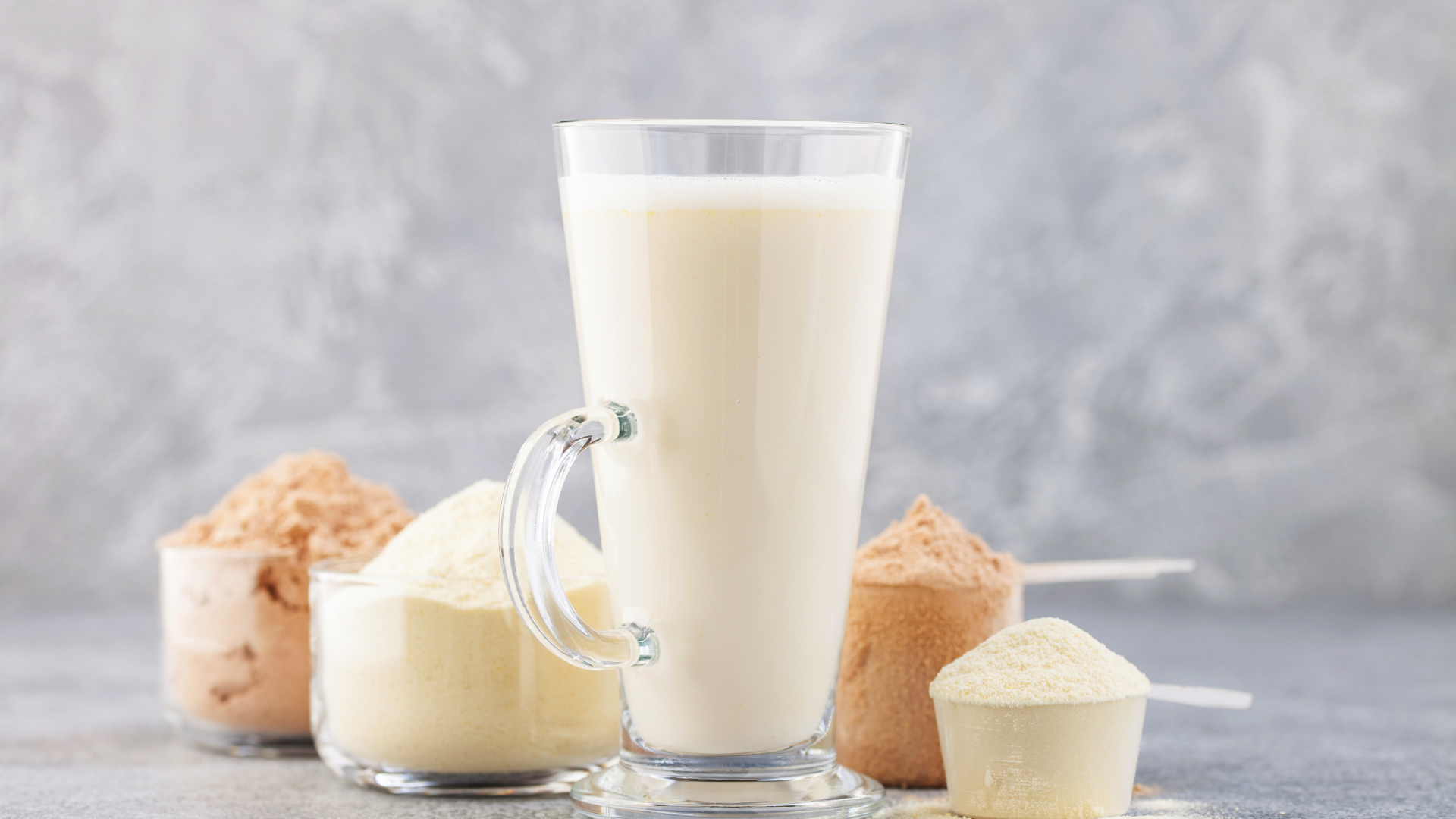
Whey protein remains one of the most recognized and trusted proteins in sports nutrition, functional foods, and high-protein beverages. It is valued for its protein quality, familiar taste, and broad formulation history.
However, many brands are now looking for ways to reduce reliance on dairy proteins because of rising whey costs and supply pressure. Others are developing dairy-free, vegan, plant-based, or allergen-conscious products. Many are simply looking to diversify their protein systems so they are not dependent on one protein source.
That is where yeast protein is gaining attention.
Yeast protein gives formulators a non-animal protein option that can support high-protein positioning across a wide range of food, beverage, and supplement applications.
What Is Yeast Protein?
Yeast protein is a fermentation-derived, non-animal protein made from Saccharomyces cerevisiae that can be used in vegan and plant-based food and beverage formulations.
It is not the same as baker’s yeast used to make bread rise. In food and beverage formulation, yeast protein is produced as a concentrated protein ingredient designed for nutrition, performance, and functionality.
Top Health Ingredients offers two yeast protein options:
AdvantaYeast™ Essential 80 is a yeast protein isolate designed for broad food and beverage applications, including snacks, baked goods, meal replacements, functional foods, and high-protein beverages.
AdvantaYeast™ Peak 80 is a yeast protein peptide designed for complete water solubility, making it especially relevant for clear beverages, protein waters, ready-to-drink protein beverages, and functional nutrition products.
Both options contain 80% protein, all nine essential amino acids, more than 21% BCAAs, and a relatively neutral, clean taste.
Can Yeast Protein Replace Whey Protein?
Yes, yeast protein can replace whey in many applications, especially dairy-free and plant-based products, but it should not be treated as a guaranteed 1:1 substitution.
Whey and yeast protein can behave differently in formulations. Whey is known for its solubility, light texture, and familiar dairy flavor. Yeast protein offers strong nutritional and formulation benefits, but differences in solubility, flavor, texture, and functionality mean the finished product may need to be optimized.
Whether yeast protein can replace whey or if it should be used to extend whey is determined by the finished product and inclusion levels.
Yeast protein can be a good option for brands developing:
- Dairy-free protein powders
- Vegan or plant-based meal replacements
- High-protein bars
- Functional snacks
- Baked nutrition products
- High-protein beverages
- Clear protein drinks
- Protein waters
- Hybrid protein systems

What Formulators Should Consider
Replacing or extending whey with yeast protein can create product opportunities, but the formula should be tested in the finished application.
Key considerations include:
Solubility: Beverage systems may require attention to dispersion, hydration, solubility, and physical stability, including potential sedimentation during storage.
Flavor: Yeast protein can have a different sensory profile than whey. Depending on the ingredient and inclusion level, formulations may benefit from flavor-system adjustments or masking strategies.
Texture: Yeast protein can influence viscosity, body, and mouthfeel differently than whey, so finished-product texture should be evaluated at the intended protein concentration.
Processing: Processing conditions such as heat, pH, mixing order, stabilizers, and shear/homogenization may need to be optimized for the specific formulation.
Yeast Protein as a Whey Extension Strategy
Yeast protein does not need to replace whey completely to be valuable in a protein formulation.
In some products, yeast protein may work best as part of a hybrid protein system to help brands reduce whey usage, diversify protein sources, support dairy-reduced positioning, and manage formulation risk. Yeast protein can be used as a complementary protein source to maintain the desired nutritional, sensory, and functional characteristics of the finished product.
Yeast protein can be a tool for brands facing whey cost pressure or looking to build more flexible protein systems. It allows formulators to move beyond a single protein source while still designing for taste, texture, and performance.
The appropriate ratio of whey to yeast protein will depend on the application, protein concentration, processing conditions, and target product characteristics. As with any protein substitution, the finished formulation should be evaluated for solubility, flavor, texture, stability, and processing performance.
Yeast protein can provide another formulation option without requiring a complete transition away from whey for brands looking to diversify their protein systems or develop dairy-reduced products.
Top Health Ingredients offers yeast protein isolate and yeast protein peptide options for high-protein food, beverage, and nutrition applications.
Whether you are creating a dairy-free protein powder, clear protein beverage, functional snack, baked nutrition product, or hybrid whey–yeast protein system, our team can help you evaluate the appropriate yeast protein option for your application.
Connect with us to request a sample or discuss yeast protein options for your next high-protein innovation.
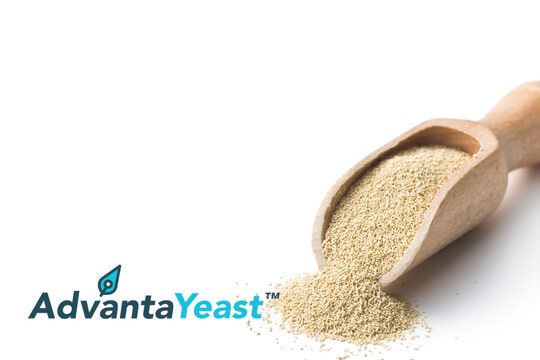
80% fermentation-derived complete protein with an excellent PDCAAS score, rich amino acid profile, and a neutral, clean flavor.
Soluble prebiotic that helps foster the growth of good gut bacteria - promoting a thriving microbiome
A keto-friendly sugar substitute - not included as 'added' or 'total' sugars on nutritional labels! Available in both syrup and crystalline versions.