
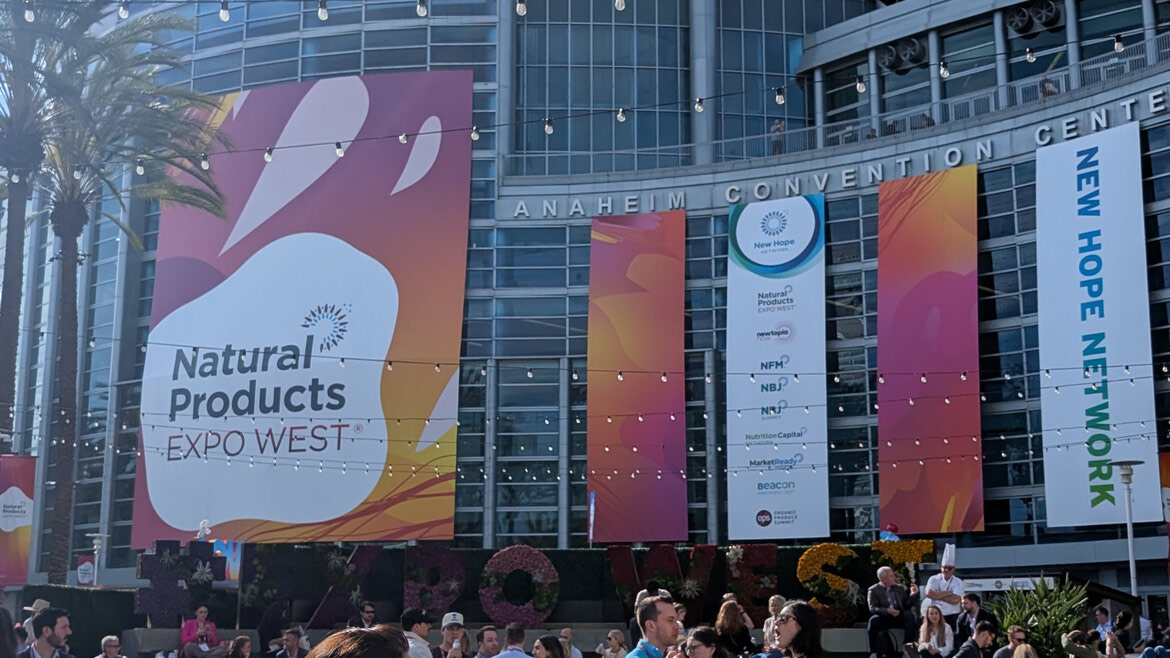
What We Expected vs. What We Confirmed
Going into Expo West 2026, we anticipated continued focus on protein, gut health, and functionality across food and beverage. What we saw on the show floor largely confirmed that trajectory, but with more nuance around format, texture, and metabolic positioning than in previous years.
This year’s strongest signals centered on:
- Protein evolution (clear formats, multi-functional claims, texture improvements)
- Gut health (high fiber, digestive positioning, pre- pro- and post-biotics, sugar reduction, GLP-1 alignment)
- Sugar reduction (allulose, agave, and erythritol as substitutes)
- Adaptogens and mushrooms (particularly in beverages)
- Hydration (going beyond water)
- Label claims (boasting clean labels and "real ingredients")
- Sustainability claims (sourcing of ingredients, supply chain, etc.)
Below is what stood out, and what it means for formulators.
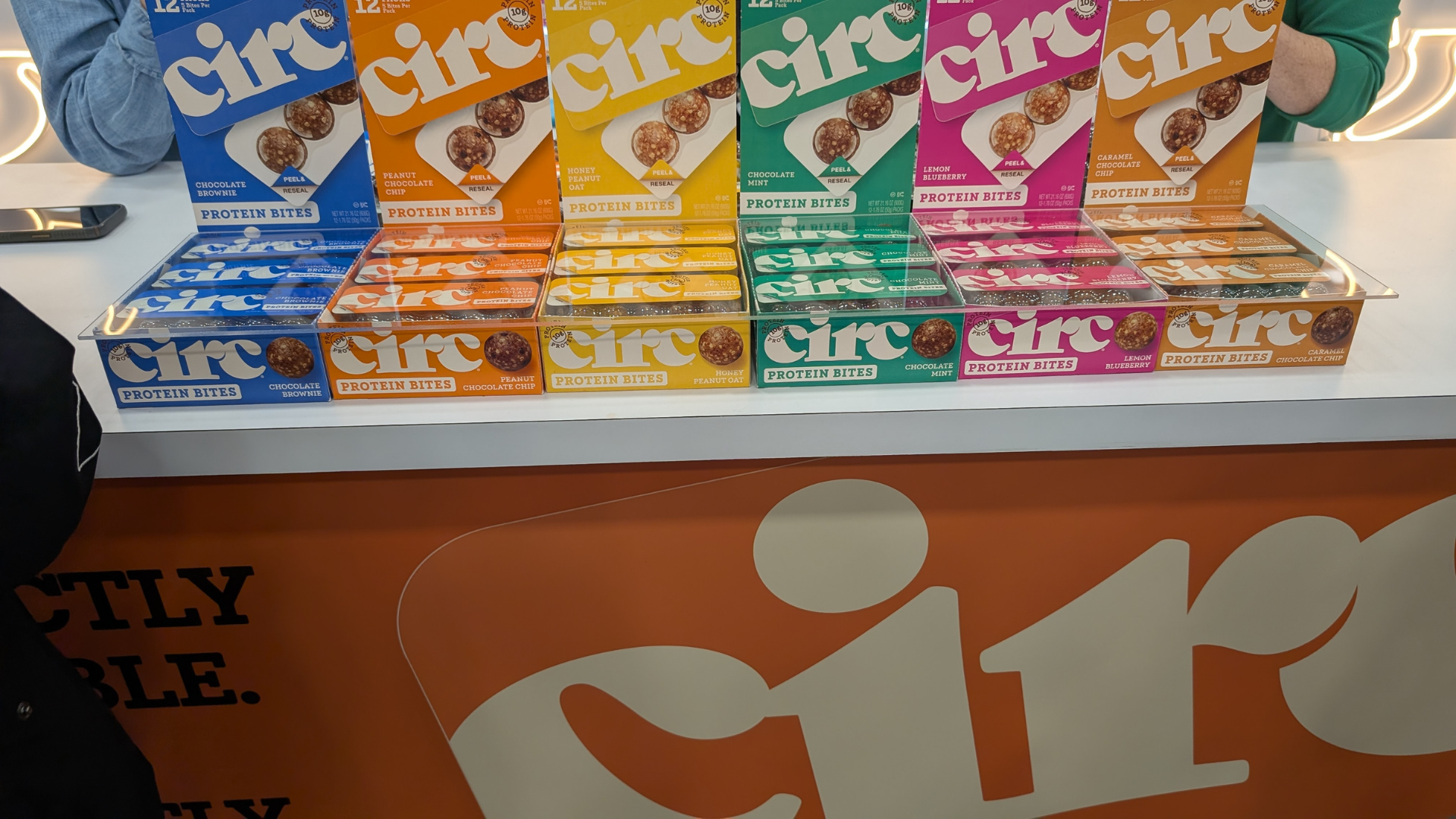
Trend #1: Protein Is No Longer a Claim. It’s a Platform.
What we expected
Protein continued to dominate Expo West, but in 2026, protein wasn’t just about “20 grams per serving.” It was about how protein performs in different systems.
What we saw
Protein showed up in:
- Clear protein beverages and “protein waters.” Particularly, protein sodas.
- Multi-benefit ready-to-drink beverages (protein + fiber, protein + energy, protein + hydration)
- High-protein snacks with softer textures (gummies were everywhere!)
- Reformulated legacy formats with improved mouthfeel
Brands are moving beyond simply adding protein and are now solving for:
- Sedimentation
- Grittiness
- Chalkiness
- Shelf stability
- Innovative flavor systems (we saw a variety of exotic flavors as well as classic flavors across the show floor)
In particular, clear protein formats indicate strong demand for proteins that perform in low-viscosity, high-acid beverage systems without haze or precipitation.
Formulation implications
For R&D teams, this signals increased pressure to:
- Improve protein solubility and stability in beverage systems
- Deliver high protein without texture penalties
- Balance sweetness in high-protein, reduced-sugar systems
- Build protein into hybrid benefit platforms (gut health, energy, hydration)
Protein is no longer just a macro claim. It’s a formulation challenge tied directly to sensory acceptance.
.png)
Trend #2: Gut Health Moves From “Nice to Have” to Highly-Expected Benefit
What we expected
Gut health has been growing for years, but in 2026, it appears to be evolving into a structural foundation of product design.
What we saw
High fiber claims were everywhere, especially in:
- Snack bars
- Functional beverages
- Cereal and baked goods
- Better-for-you confectionery
- Supplements (powders, gummies, and pills)
Digestive positioning has shifted from vague wellness messaging to more direct claims around:
- Prebiotics, probiotics, and postbiotics
- Microbiome support
- Satiety
- Metabolic health
We also saw increased crossover between gut health and GLP-1 aligned messaging, including:
- Lower sugar
- Higher fiber
- Balanced macronutrients
- Portion-aware formats
Formulation implications
These trends create several technical pressures for food scientists and formulators:
- Incorporating higher levels of fiber without compromising texture
- Managing sweetness in sugar-reduced systems
- Avoiding digestive tolerance issues at scale
- Preventing density shifts and sedimentation in fiber-fortified beverages
Many formulators are turning to resistant dextrin and inulin to support fiber claims.
Gut health is no longer a niche add-on. It’s influencing how products are structured from the beginning.
.png)
Trend #3: Sugar Reduction Continues to Drive Formulation Innovation
What we expected
We anticipated we would see more leaning toward low- or no-calorie sweeteners, particularly in beverages and confectionery.
What we saw
Sugar reduction remained one of the most visible formulation themes at Expo West 2026. Across beverages, snacks, and better-for-you desserts, brands prominently featured claims such as:
- “No added sugar”
- “Zero sugar”
- “Reduced sugar”
These claims appeared across a wide range of categories, including functional beverages, protein products, snack bars, and confectionery-style formats. In many cases, sugar reduction was paired with other benefits such as protein, fiber, or hydration, reinforcing the trend toward multifunctional products.
From an ingredient perspective, several sweetening systems appeared repeatedly on ingredient lists and in product positioning.
Allulose continues to gain traction as one of the fastest-growing sugar alternatives, particularly in beverages, snacks, and confectionery-style products where sugar-like functionality is important. Other ingredients that appeared frequently included agave nectar, often used for its perceived natural positioning, and erythritol, commonly used as part of reduced-sugar sweetener systems or for a mild, pleasant cooling effect.
Formulation implications
For formulators, sugar reduction remains one of the most technically demanding challenges in product development. Sugar contributes far more than sweetness. It also impacts:
- Texture and mouthfeel
- Bulking and structure
- Water activity and shelf stability
- Flavor balance
As brands continue to pursue aggressive sugar-reduction targets, ingredient systems increasingly need to replicate multiple functional roles simultaneously.
Ingredients like allulose and maltodextrin can help provide sugar-like bulk and browning, while erythritol and other sweeteners are often used to balance sweetness profiles. Natural sweeteners such as agave nectar may also play a role in formulations that prioritize recognizable ingredient positioning.
Ultimately, the trend toward lower-sugar products reinforces the need for formulation strategies that maintain indulgence, stability, and clean-label expectations, even as traditional sugar levels are reduced.
.png)
Trend #4: GLP-1 Messaging Is Quiet but Influential
What we expected
GLP-1 medications continue to influence consumer behavior. Even when brands aren’t naming GLP-1 directly, the formulation signals are there.
What we saw
Many products leaned into:
- High protein
- High fiber
- Reduced sugar
- Controlled calorie positioning
- Satiety messaging
In some cases, portion sizes appeared more deliberate (e.g., single-serving, snack size), suggesting brands are aligning with appetite-awareness trends.
Formulation implications
This trend increases demand for ingredients that:
- Support fullness and balanced digestion
- Deliver sweetness without sugar spikes
- Improve mouthfeel in lower-calorie formats
- Maintain indulgence in smaller portions
This likely reinforces the need for multifunctional ingredients that deliver texture, sweetness balance, and digestive support in one system.
.png)
Trend #5: Adaptogens and Mushrooms — Moving Toward Specificity
What we expected
Adaptogens continue to appear, but positioning clarity has varied in past years.
What we saw
This year, adaptogens and functional mushrooms appeared to be moving toward more specific positioning, such as:
- Cognitive support
- Stress management
- Energy without crash
- Focus
- Mood balance
Rather than generic “superfood” claims, brands seemed to anchor adaptogens within defined benefit platforms.
Formats included:
- Canned beverages
- Mushroom coffees
- Gummies
Formulation implications
For R&D teams, adaptogens introduce challenges around:
- Flavor masking
- Color management
- Solubility
- Stability in beverage systems
- Regulatory and structure/function compliance
As positioning becomes more precise, ingredient quality and consistency become even more critical.
.png)
Trend #6: Hydration Expands Beyond Electrolytes
What we expected
We knew that hydration would show up in new, innovative formats such as sodas and protein waters.
What we saw
Hydration was one of the most visible themes across the show floor, but the category appears to be evolving beyond traditional electrolyte drinks.
Many products emphasized “functional hydration,” incorporating ingredients positioned for recovery, relaxation, or performance. Two ingredients appeared particularly often:
- Magnesium, frequently positioned for relaxation, recovery, and sleep support
- Creatine, appearing in more mainstream beverage formats than in previous years, and even with vegan creatine options
Hydration-focused products appeared across multiple formats, including:
- Stick packs and drink mixes
- Ready-to-drink beverages
- Functional sparkling waters
- Hybrid hydration + performance products
Rather than simply replacing electrolytes, these products layered additional benefits onto hydration platforms, suggesting that hydration is becoming a delivery system for broader functionality.
Formulation implications
For R&D teams, this trend raises several formulation considerations:
- Mineral stability and solubility, particularly for magnesium salts in beverage systems
- Flavor masking, since both magnesium and creatine can introduce bitterness or metallic notes
- Sedimentation and clarity, especially in lower-viscosity beverages
- Dose delivery, ensuring meaningful ingredient levels while maintaining drinkability
As hydration evolves into a multifunctional platform, formulators will likely need ingredient systems that balance mineral delivery, taste, and stability in increasingly complex beverage formats.
.png)
Trend #7: “Clean” and “Real Ingredients” Messaging Is Everywhere
What we expected
Brands to lean into whole foods and real ingredients, while also stating they do not contain additives.
What we saw
While clean label has long been a major theme in natural products, Expo West 2026 showed a noticeable shift in how brands communicate ingredient transparency.
Many products across categories emphasized language such as:
- “Clean ingredients”
- “Real ingredients”
- “No additives”
These messages were often positioned directly on front-of-pack, suggesting brands believe ingredient simplicity is becoming a stronger purchase driver.
Interestingly, the messaging appeared even in products that also carried highly functional positioning, including protein beverages, hydration products, and digestive health offerings. This signals that consumers increasingly expect functionality without complexity in the ingredient list.
Formulation implications
For formulators, this trend reinforces the ongoing pressure to deliver functionality while maintaining label simplicity.
This creates challenges around:
- Stabilization in beverage systems
- Sugar reduction without artificial sweeteners
- Texture improvement in high-protein formats
- Maintaining shelf stability without heavily processed additives
In many cases, ingredient systems must now serve multiple functional roles, such as contributing sweetness, texture, or stability, while still aligning with clean-label expectations.
As consumer scrutiny of ingredient lists continues to increase, formulation strategies that deliver performance with recognizable ingredients will likely become even more important.
.png)
Trend #8: Sustainability Messaging Becomes More Prominent
What we expected
To see brands making claims related to environmental and social responsibility, particularly for packaging and ingredient sourcing.
What we saw
Sustainability remained a prominent theme across the show floor, but the messaging appeared to be shifting from broad environmental claims toward more practical and specific commitments.
Rather than simply highlighting sustainability as a brand value, many companies focused on more tangible signals such as:
- Regenerative agriculture sourcing
- Supply chain transparency
- Reduced packaging or recyclable materials
- Upcycled ingredients
- Responsible ingredient sourcing
In a few cases, brands also connected sustainability messaging to ingredient sourcing, emphasizing where and how ingredients were produced.
Formulation implications
For R&D teams, sustainability messaging increasingly intersects with ingredient selection and supply strategy.
Formulators may need to consider:
- Ingredient sourcing transparency
- Supply chain reliability and consistency
- Opportunities to use upcycled or lower-impact ingredients
- Packaging compatibility with product stability and shelf life
In practice, this means that sustainability is no longer just a marketing narrative — it is beginning to influence formulation decisions and supplier relationships.
As brands continue to prioritize environmental impact, ingredients that combine functional performance with responsible sourcing will likely become even more important.
The Undercurrent: Multifunctionality
One unifying theme across proteins, gut health, and adaptogens was multifunctionality.
Very few products were built around a single claim. Instead, brands combined:
- Protein + fiber
- Energy + cognition
- Gut health + sugar reduction
- Indulgence + metabolic alignment
For formulators, this means ingredients that only solve one problem may no longer be sufficient. Systems thinking is becoming essential.
What This Means for 2026–2027 Product Development
Based on what we saw at Expo West 2026, we expect:
- Continued growth in clear protein beverages
- Higher fiber inclusions in mainstream formats
- More "low sugar," or "no sugar" claims, and achieving sweetness with ingredients like allulose
- More precise adaptogen positioning
- Increased pressure to maintain sensory quality in functional products
- Greater scrutiny on ingredient consistency and supply reliability
Brands will likely prioritize ingredients that deliver:
- Functional performance
- Clean label compatibility
- Texture improvement
- Sugar reduction support
- On-spec, on-time reliability
Expo West 2026 reinforced a clear direction: functionality must coexist with indulgence. Protein must perform. Gut health must be built into the system. Adaptogens must be precise. And texture can no longer be an afterthought.
The brands that win in 2026 and beyond will be the ones that translate these macro trends into technically sound, scalable formulations.
If you’re working on protein, gut health, or functional food and beverage innovation in 2026, we’d love to compare notes and support your next formulation project.
Contact Top Health Ingredients to request samples and discuss ingredient fit for your application.

Soluble prebiotic that helps foster the growth of good gut bacteria - promoting a thriving microbiome

A keto-friendly sugar substitute - not included as 'added' or 'total' sugars on nutritional labels! Available in both syrup and crystalline versions.

FDA-approved soluble dietary fiber, that also boasts a prebiotic effect helping to cultivate a healthier gut