
Summary
- Functional carbohydrates are no longer only used for digestive health positioning. They can also be used to support texture, satiety, sugar reduction, mouthfeel, and processing stability.
- GLP-1 trends, snacking habits, and the fiber gap are increasing demand for foods and beverages that deliver more nutrition and functionality per serving.
- Functional carbohydrates such as resistant dextrin, inulin, polydextrose, and isomalto oligosaccharides (IMO) behave differently in formulation, making appropriate ingredient selection critical.
- The best fiber or prebiotic system depends on the finished application, desired label claims, gut tolerance goals, sweetness needs, and processing conditions.
Fiber Is Moving Beyond Digestive Health
Fibers and prebiotics have long been associated with digestive wellness, but the next phase of food innovation is much broader. Today's formulators are using functional carbohydrates to solve product development challenges related to satiety, sugar reduction, texture, mouthfeel, moisture retention, and shelf-life stability.
Certain functional carbohydrates may contribute to satiety through mechanisms such as increased bulk, viscosity, delayed gastric emptying, fermentation, or energy displacement, although effects vary substantially by ingredient, dose, and food matrix.
The shift reflects a larger change in functional nutrition. Consumers are looking for products that do more in a single serving. They want multiple benefits from each product they consume. They want foods and beverages that support gut health, help them feel satisfied, and fit into sugar-reduced lifestyles, all while delivering a pleasant sensory experience.
For food scientists and R&D teams, this means that fiber innovation is no longer just about adding grams of fiber to a nutrition facts panel. It is about choosing the right functional carbohydrate(s) for the desired performance goals.
A beverage may need high solubility and low viscosity. A protein bar may need binding and moisture control. A gummy may need structure and chew. A reduced-sugar confection may need bulking and sweetness balance. Each application requires a different approach.

Why Functional Carbohydrates Matter
Several market forces are increasing interest in functional carbohydrates, such as resistant dextrin and isomalto oligosaccharides (IMO).
First, there is the fiber gap, which still remains a major nutritional challenge. Many consumers still fall short of the recommended daily fiber intake, which creates opportunities for brands to help close that gap through foods and beverages consumers are already buying.
Second is GLP-1 trends, which continue to shape how consumers think about portion sizes, satiety, and nutrient density. Ingredients that support fullness, digestive comfort, and balanced nutrition are becoming more valuable as consumers look for smaller, more functional products at the grocery store.
Third, sugar reduction continues to be a priority across beverages, bars, snacks, and confectionery. Functional carbohydrates can help brands reduce sugar while maintaining body, texture, and sweetness balance.
Finally, consumers increasingly expect functional products to taste good, or like "the real thing" (i.e., full-sugar, full-fat, etc. products). Consumer expectations create a formulation challenge as brands need ingredients that deliver nutritional value without creating grittiness, excessive thickness, off-flavors, or digestive discomfort.
Functional carbohydrates can help bridge that gap.
Functional Carbohydrates as Formulation Tools
Not all functional carbohydrates behave the same way. Their molecular structure, solubility, viscosity, sweetness, fermentation rate, and digestive tolerance all impact how they perform in a finished product.
Resistant dextrin is often valued for its high solubility, low viscosity, neutral flavor, and favorable digestive tolerance. It is well suited for beverages, powders, bars, and functional foods where brands want fiber enrichment without significant sensory disruption.
Inulin is well-known for its prebiotic activity and texture-building functionality. It can support fat replacement and mouthfeel in dairy, bakery, and reduced-fat applications, but its faster fermentation profile may create digestive tolerance challenges at higher inclusion levels.
Polydextrose offers bulking, sugar reduction, and texture benefits in reduced-calorie foods. Its slow-to-moderate fermentation profile makes it useful in applications where tolerance and processing stability are important.
Isomalto oligosaccharides (IMO) provide prebiotic functionality, a mild sweetness, moisture retention, and binding capacity*. Although the FDA does not consider IMO a dietary fiber, it remains a useful prebiotic carbohydrate with several functional benefits for bars, confections, beverages, and reduced-sugar formulations.
*Regulatory treatment of functional carbohydrates varies by market. An ingredient’s ability to be used, declared as dietary fiber, or support a particular claim should therefore be evaluated separately for each target jurisdiction.
The right ingredient depends on the application and the claim strategy.

Where Functional Carbohydrates Add Value
Functional carbohydrates can support a wide range of food, beverage, and supplement formats.
Beverages
Viscosity and solubility are critical in RTD beverages, functional shots, hydration drinks, and wellness drinks. Resistant dextrin is especially useful in beverage systems because it can add fiber without creating excessive thickness, grittiness, or flavor impact.
Bars and Snacks
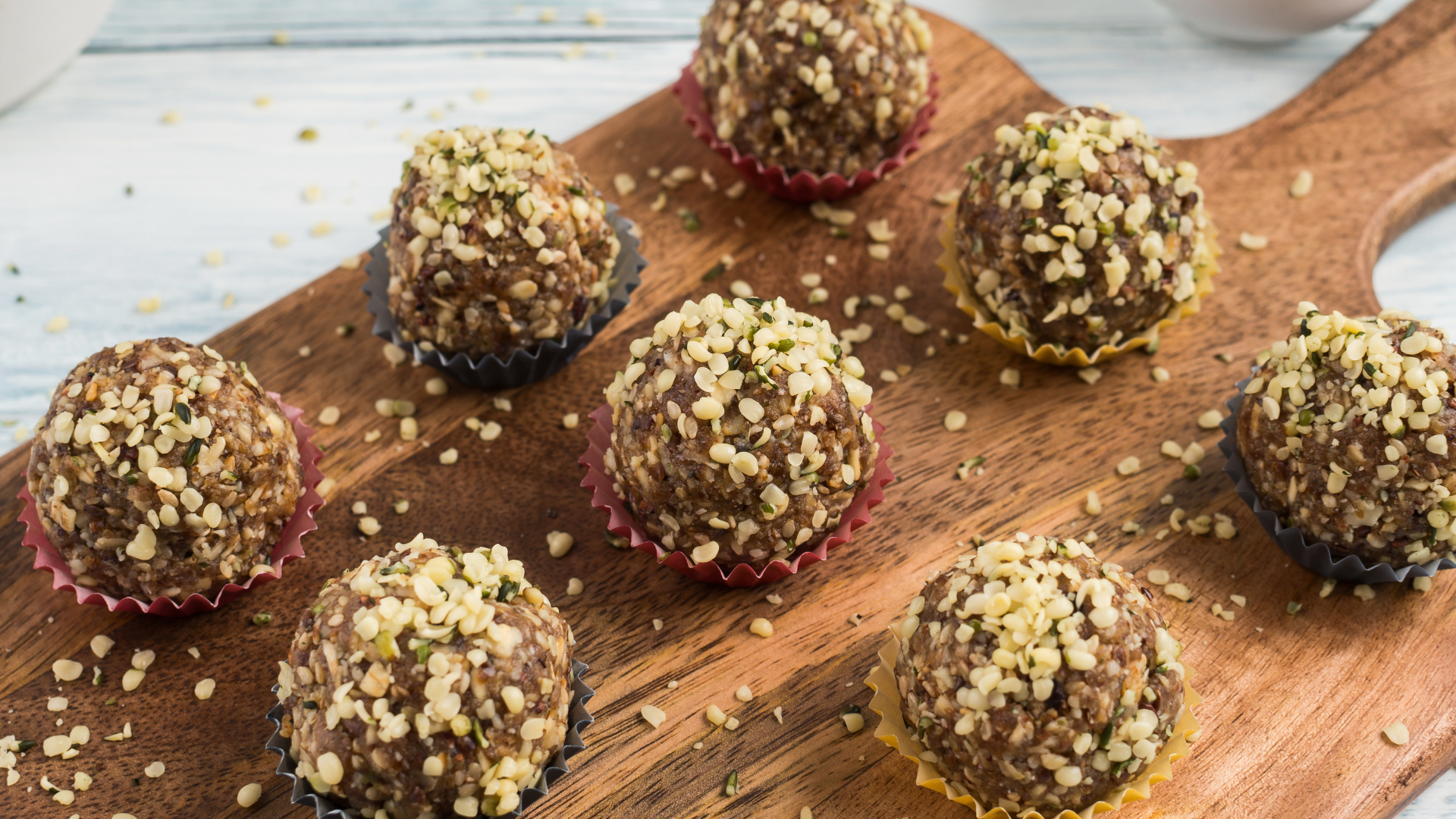
Functional carbohydrates can improve binding, chew, moisture retention, and shelf-life stability in protein bars, energy bites, and functional snacks. IMO syrups, resistant dextrin, polydextrose, and inulin can each play different roles depending on the desired texture and label strategy.
Confectionery and Gummies
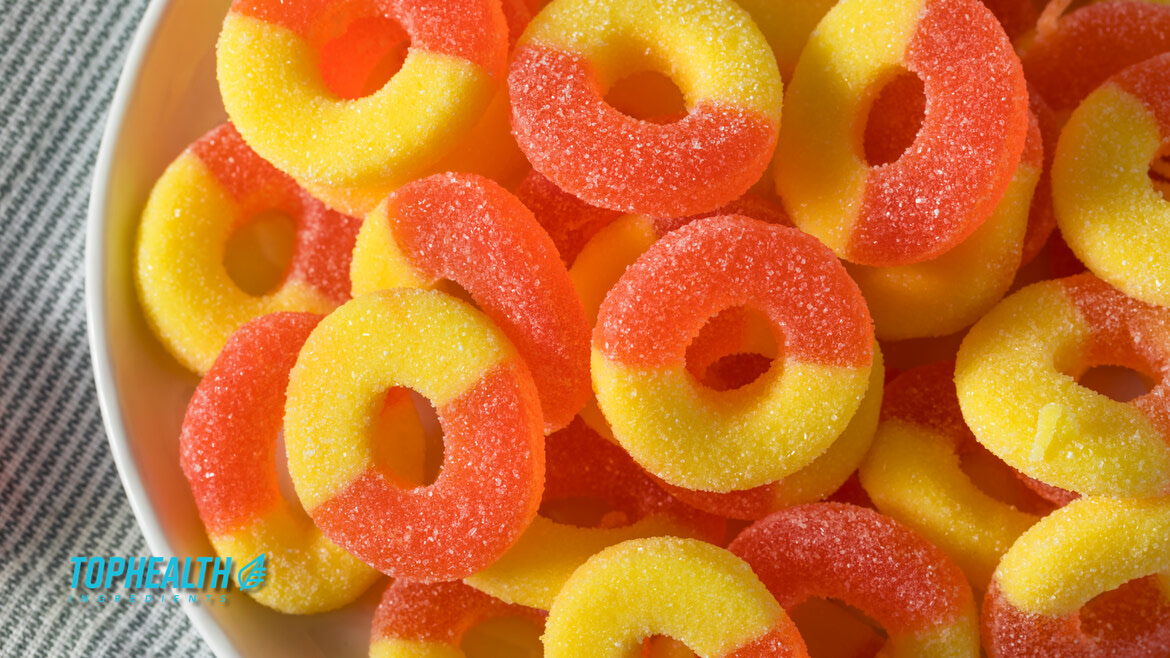
Reduced-sugar confections need bulking, sweetness balance, chew, and stability. Functional carbohydrates can help replace some of the structure normally provided by sugar while supporting better-for-you positioning.
Dairy and Dairy Alternatives
Fibers and prebiotics can improve body, creaminess, and mouthfeel in yogurts, frozen desserts, creamers, and plant-based dairy alternatives. Inulin is often used for texture and fat replacement, while resistant dextrin and polydextrose can help support fiber enrichment with less viscosity impact.
Choosing the Right Functional Carbohydrate
Formulators should define a product's most important performance requirements before selecting a functional carbohydrate.
Key questions include:
- Is the goal fiber enrichment, prebiotic positioning, sugar reduction, texture improvement, or satiety support?
- Does the finished product need to stay clear, creamy, chewy, crispy, or low-viscosity?
- What inclusion level is needed to support the desired claim or function?
- How important is digestive tolerance at the target serving size?
- Will the ingredient be exposed to heat, acid, freezing, extrusion, or long shelf-life conditions?
- Does the ingredient support the intended regulatory label claims in the target market?
These questions matter because functional carbohydrates are not interchangeable. The best choice depends on how the ingredient performs in the finished application.
To support formulators and help them determine which functional carbohydrates are right for their formulation, our team created a comprehensive comparison of resistant dextrin, IMO, inulin, and polydextrose.
Soluble prebiotic that helps foster the growth of good gut bacteria - promoting a thriving microbiome
FDA-approved soluble dietary fiber, that also boasts a prebiotic effect helping to cultivate a healthier gut